
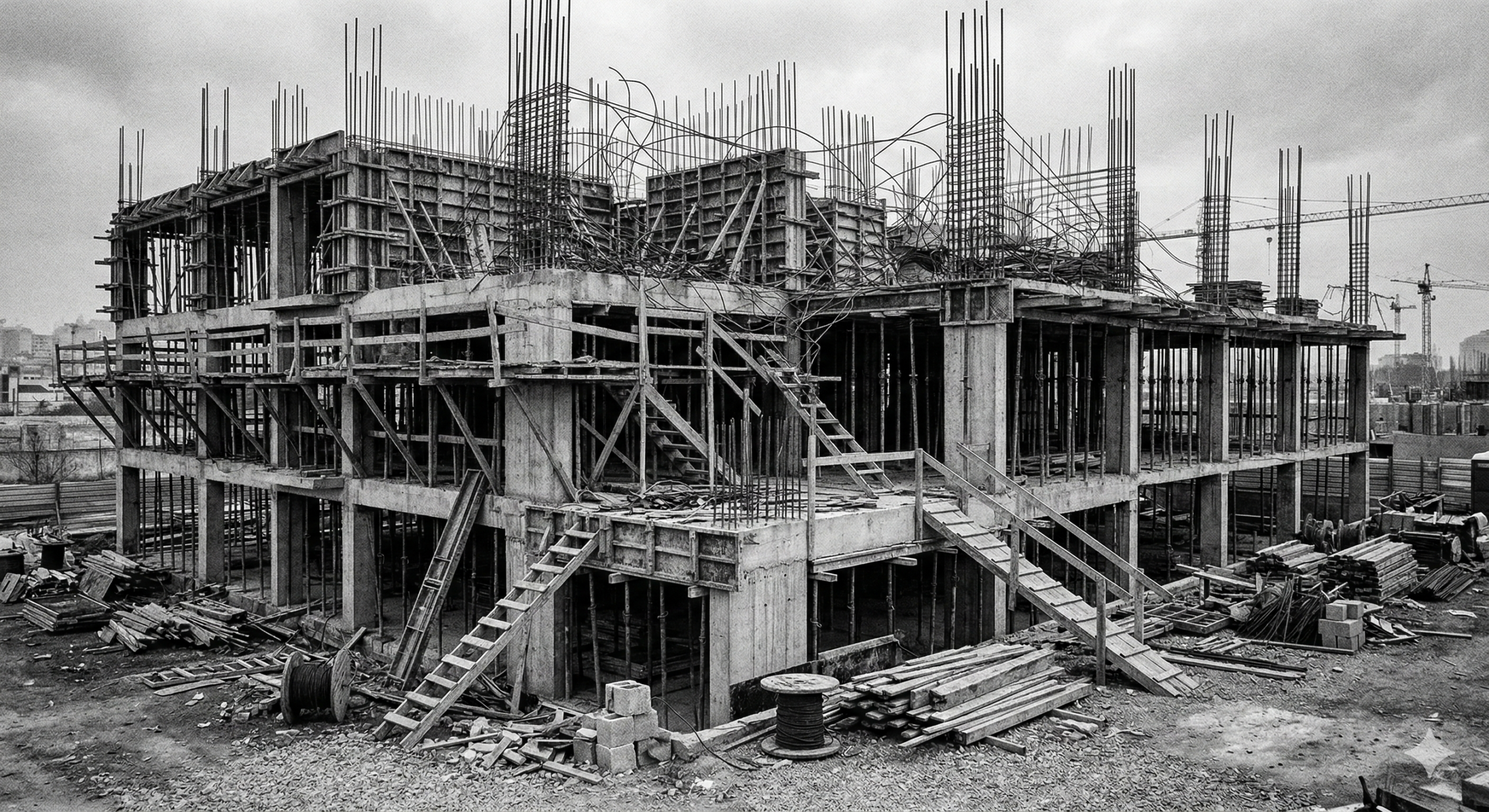
The paradox of successful growth
Most organizations that experience growth problems are not failing — they are succeeding too fast. Revenue climbs. Headcount expands. New markets open. And beneath all of it, the structural foundations that made early success possible begin to crack under weight they were never designed to bear.
Four signals worth watching
- Decisions that once took days now take weeks — without a clear reason why
- Profitability grows slower than revenue, or begins declining despite top-line strength
- Coordination between functions becomes informal, then inconsistent, then costly
- Leadership spends more time resolving operational friction than setting direction
Structure is not a constraint — it is a growth asset
The organizations that scale with discipline are those that treat structural investment as a strategic priority, not an administrative afterthought. A defined decision architecture, clear accountability frameworks, and financial visibility at the unit level are not bureaucratic mechanisms. They are the conditions under which sustainable growth becomes possible.
Growth without structure is acceleration without steering. At some point, speed becomes the problem.